

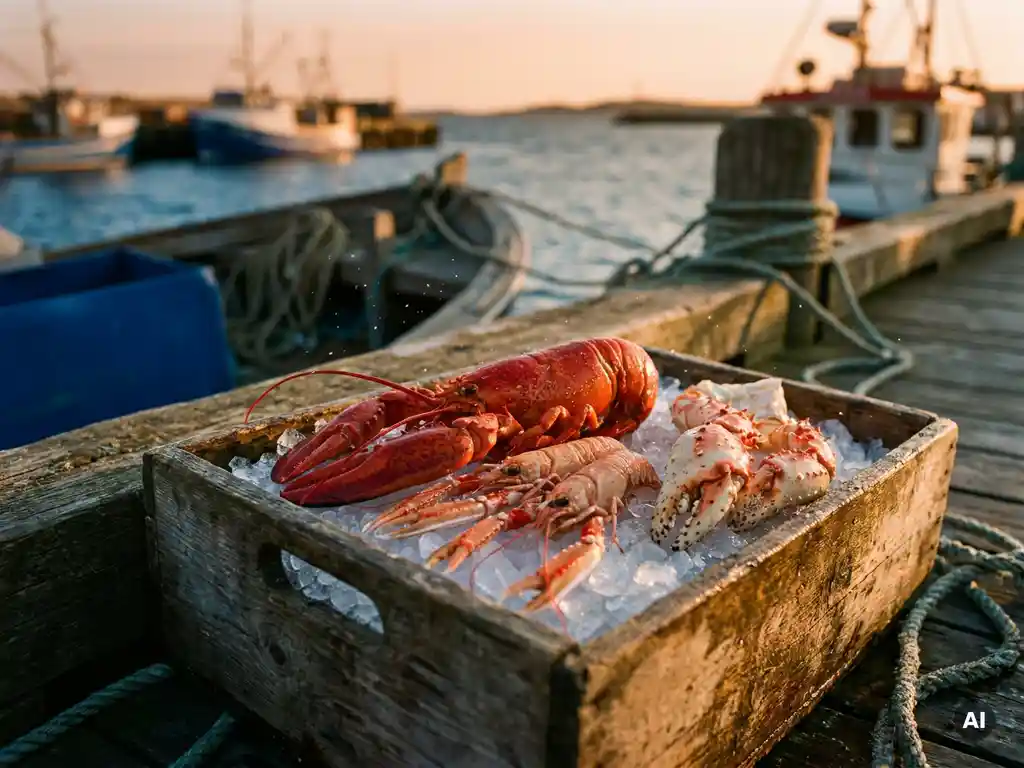
The most suitable shellfish for cooking are shrimp, lobster, and crab. These three species respond well to heat via water or broth and, when prepared correctly, yield a flavorful, tender texture. The choice depends primarily on the desired taste, size, and application in the dish. This article discusses the most important cooking techniques, differences in preparation, and common mistakes.
Which shellfish are most suitable for cooking techniques with water or broth?
Shrimp, lobster, crab, and crayfish are the shellfish best suited for preparation in water or broth. They have a sturdy shell that provides protection during cooking, while the meat inside cooks quickly and evenly. A well-made court-bouillon with vegetables, bay leaf, and peppercorns significantly enhances the natural flavor.
Lobster benefits particularly greatly from an aromatic cooking broth. The shell imparts flavor to the liquid, while the delicate meat retains its own character. Crab, and especially the Norwegian king crab or the shore crab, is also traditionally cooked in salted water. Crayfish is poached in a lightly seasoned broth in many Scandinavian and French cuisines, with dill and fennel being common additions.
Shrimp are versatile: they can be cooked in water both unpeeled and peeled. When cooking unpeeled shrimp, the shell protects the meat from drying out and adds extra flavor. For professional kitchens, it is important to monitor the cooking time closely, as shellfish cook through quickly.
How does the preparation of shrimp, lobster, and crab differ?
Shrimp, lobster, and crab differ significantly in cooking time, size, and technique. Shrimp are cooked in a few minutes, lobster requires five to fifteen minutes depending on weight, and crab generally requires the longest cooking time due to its compact shell and the meat in the legs. Preparation requires a different approach for each species.
Cooking shrimp
Shrimp cook extremely quickly. Fresh, unpeeled shrimp are cooked in two to four minutes in lightly salted boiling water. As soon as the shell turns pink and the meat feels firm, they are ready. Cooking them longer makes shrimp rubbery and tough, which compromises the texture. Large shrimp, such as tiger prawns, require a slightly longer cooking time, but here too, remember to take them out in time.
Cooking lobster
Lobster is preferably placed alive in boiling, salted water. A 500-gram lobster takes about eight minutes, a one-kilogram specimen ten to twelve minutes. After boiling, the lobster is allowed to rest briefly before being cracked open. The meat in the claws and tail should be firm but not dry. A lobster cooked for too long loses its delicate flavor and becomes fibrous.
Cooking crab
Crab is boiled in plenty of salted water, with the cooking time depending on the weight. A medium-sized crab of 800 grams typically requires fifteen to twenty minutes. After boiling, the crab is cooled in cold water to stop the cooking process. The meat in the legs and body is then easily accessible with the right tools and has a rich, sweet flavor.
Why is the freshness of shellfish crucial for the cooking result?
The freshness of shellfish directly determines the taste, texture, and food safety after preparation. Fresh shellfish release a sweet, rich flavor during cooking. Shellfish that are no longer optimally fresh quickly lose their delicate aroma and can impart an ammonia-like or musty taste after preparation that cannot be corrected with herbs or broth.
With shellfish, the loss of quality begins immediately after catching. Enzymes and bacteria rapidly break down the meat, causing the texture to become softer and the taste to diminish. This applies particularly to shrimp, which deteriorate in quality within a few hours without refrigeration. Lobster and crab are slightly more robust, but here too, live or very fresh specimens yield the best results.
For professional kitchens, the origin and supply chain of shellfish are therefore crucial. When a supplier is transparent about the origin and route of the product, it is easier to assess freshness and guarantee quality. In this segment, traceability is not a luxury, but a practical necessity.
What are the most common mistakes made when cooking shellfish?
The most common mistakes when cooking shellfish are overcooking, using insufficiently salted water, and not cooling the shellfish immediately after cooking. These mistakes lead to tough meat, tasteless results, or an unpleasant texture, even when the basic ingredients are of high quality.
An overview of the most common mistakes:
- Overcooking: shellfish cook through quickly. Even a minute too long can make the meat rubbery. Use a timer and check for doneness in time.
- Too little salt in the water: shellfish need sufficient salt to retain their natural flavor. Preferably use sea salt and add enough so that the water tastes slightly salty.
- Do not cool after cooking: shellfish continue to cook in the residual heat. Immerse them in ice water immediately after cooking to stop the cooking process, especially if served cold.
- Use cold water as a starting point: throw shellfish into water that is already boiling, not into cold water that still needs to heat up. This ensures even cooking and prevents the meat from becoming soggy.
- Discarding broth: lobster or crab cooking broth contains a lot of flavor and is excellent to use as a base for sauces, soups, or bisque.
Which shellfish lend themselves to preparation techniques other than boiling?
Many shellfish lend themselves perfectly to preparation techniques other than boiling in water or broth. Shrimp, lobster, crab, and scallops can be grilled, fried, steamed, or cooked in the oven. Choosing a different technique offers culinary added value and highlights flavor nuances different from boiling.
Shrimp are particularly versatile. They can be grilled at high temperatures, fried in butter with garlic, or prepared in a pan with a light sauce. The high heat of the grill imparts a slightly smoky aroma and an attractive color to the shells. Peeled shrimp are also widely used in professional kitchens in stir-fries, pastas, and risottos.
Lobster lends itself well to preparation in the oven or on the grill, after being briefly pre-cooked. Halving the lobster and gratinating it with butter and herbs creates a rich flavor that differs from the more subtle taste of boiled lobster. Grilled lobster is a popular choice in upscale restaurants.
Scallops, although strictly speaking shellfish, are often treated in the same category as crustaceans in the catering industry and are ideally suited for preparation in a hot pan with butter. A short, hot cooking time gives them a golden brown crust on the outside, while the inside remains soft and creamy.
How Adri & Zoon helps with the preparation of shellfish
For professional kitchens that work with shellfish daily, the quality and security of supply of raw materials are decisive for the final result. Adri & Zoon is a fish wholesaler that supplies hospitality professionals and buyers with fresh and frozen shellfish, tailored to the needs of the kitchen.
What Adri & Zoon offers for professional kitchens:
- A wide assortment of shellfish, including shrimp, lobster, crab, and crayfish, fresh and frozen.
- Strong traceability: the origin and route of every product can be easily traced, so that chefs can inform their guests about what is on their plate.
- Custom portioning and packaging, tailored to the specific needs of the kitchen.
- Own transport for reliable and timely delivery, six days a week.
- Product knowledge and advice, so that buyers and chefs can make the right choices for their menu.
Would you like to know more about the range or the possibilities for your kitchen? Contact Adri Adri & Zoon for personal advice.