

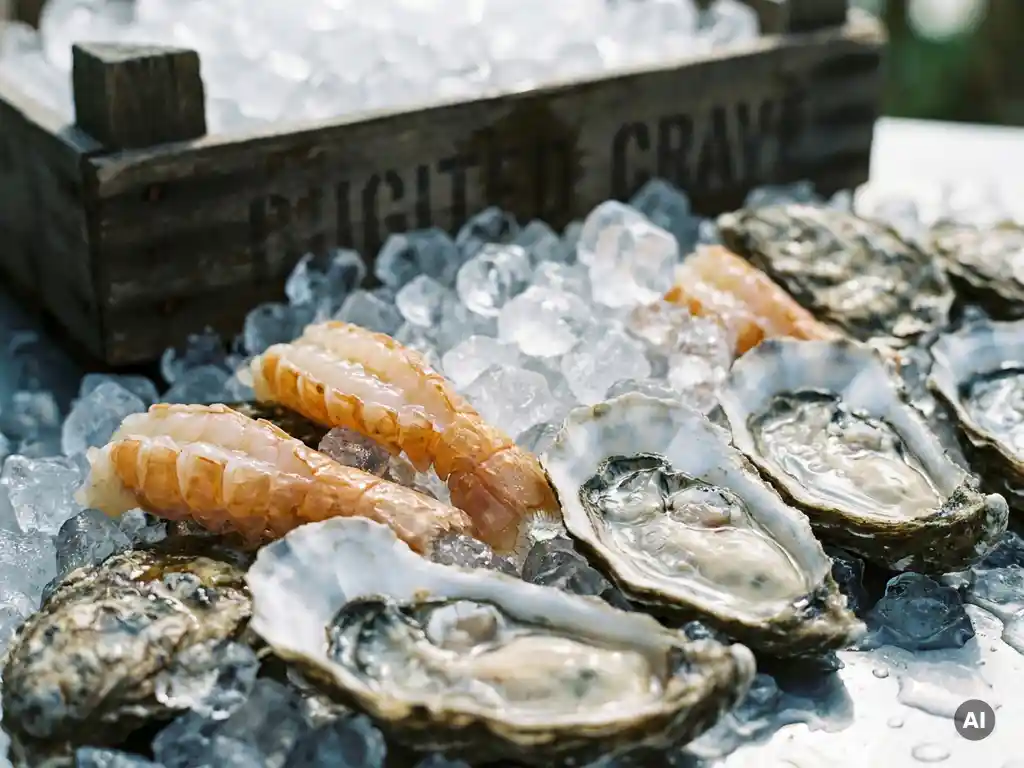
You can recognize fresh shellfish by a fresh sea smell, a firm appearance, and, in live species, visible signs of activity. These three basic characteristics apply to virtually all shellfish, from shrimp to lobster. Those who know what to look for make the right choice with every purchase and avoid disappointment in the kitchen.
Which senses do you use to assess the freshness of shellfish?
To assess the freshness of shellfish, you use smell, sight, and touch. The nose is the most reliable instrument for this: fresh shellfish smell of the sea, fresh, and slightly salty. A sour, ammonia-like, or fishy smell that stings the nose is a clear signal that the product is past its prime. Sight and touch confirm what the nose already tells you.
In concrete terms, this means: examine the color and texture of the meat or shell, and feel if the product feels firm. Flabby, sticky, or discolored meat indicates a loss of quality. For live shellfish such as lobster and crab, movement is an especially reliable indicator. Anyone who uses all three senses will hardly miss anything.
How do you recognize fresh shrimp by appearance and smell?
Fresh shrimp have a bright, glossy color, a firm texture, and a fresh, sea-like aroma. Raw shrimp are grayish and transparent; cooked shrimp are pink to orange. A dull, yellow discoloration or a limp texture are signs of diminished freshness. The smell is decisive: an ammonia odor means the shrimp are no longer suitable.
When buying fresh shrimp, also pay attention to the head. Shrimp with heads clearly show freshness: a black or detached head indicates oxidation and loss of quality. Headless shrimp, such as most Dutch shrimp cooked at sea, are judged primarily by color, smell, and the firmness of the meat. Fresh Dutch shrimp are firm, aromatic, and not sticky.
What are the freshness characteristics of live lobster and crab?
Live lobster and crab are fresh if they move actively. A lobster that moves its claws and flicks its tail when you pick it up is in good condition. A crab should resist when you touch it. Little or no movement can mean that the animal is weakened, which significantly reduces its shelf life after purchase.
In addition to movement, pay attention to the shell and the smell. The shell should be hard, undamaged, and shiny. A soft or damaged shell may indicate a recent molt, which affects the meat filling. Fresh, live shellfish smell of the sea; an unpleasant odor is a warning signal, even in live specimens.
For chilled, non-live lobster or crab, pay attention to the color of the meat after cooking: white and firm meat is a good sign. Grayish or watery meat indicates a loss of quality. If you buy lobster or crab from a specialized wholesaler, you can also ask for the catch date and origin.
How do you assess the freshness of frozen shellfish?
Frozen shellfish are fresh if they have a closed, undamaged layer of ice, show no freezer burn, and do not emit a strong odor immediately after thawing. Freezer burn is recognizable by dry, white-grey spots on the product. This indicates prolonged exposure to air in the freezer and is accompanied by a loss of quality in taste and texture.
Also check the packaging upon purchase. Damaged or cracked packaging may indicate that the product has been thawed and refrozen, which poses a risk to food safety. Additionally, check the freezing date or best-before date on the packaging.
After thawing, assess frozen shellfish in the same way as fresh ones: smell, color, and texture. Properly frozen, high-quality shellfish smell fresh and have a firm texture after thawing. A watery, limp texture after thawing indicates excessive storage or careless freezing.
What role does traceability play in the quality of shellfish?
Traceability is a direct indicator of quality. When a supplier can state exactly where shellfish were caught or farmed, the route they took, and when they were processed, it provides certainty regarding freshness and food safety. Without that information, quality is more difficult to guarantee.
For professional kitchens, traceability is valuable for several reasons. First, chefs and buyers can inform their guests about the origin of the product, which is increasingly appreciated. Second, good traceability enables quick action in the event of quality issues or recalls.
Shellfish from suppliers who source from well-known and certified auctions or growers, and who maintain a short, transparent supply chain, generally offer the highest quality assurance. Always ask about the origin and delivery date when purchasing.
When are shellfish from Zeeland at their best?
Zeeland shellfish are at their best when water temperature and conditions in the Oosterschelde are optimal for growth and meat formation. For shrimp, catches are generally richest in the autumn, roughly from September to November. At that time, the shrimp are large, full of flavor, and have good meat. In the summer months, shrimp are smaller and less plump.
Zeeland is also known for its oysters and mussels, but these fall outside the strict category of shellfish. As for lobster, the European lobster, which is found in North Sea waters, is in highest demand in the summer and around the holidays. Availability varies by season and depends in part on fishing conditions.
A reliable wholesaler with knowledge of Zeeland products and short supply lines can tell you exactly which product is at its best at a given time. That seasonal advice is at least as valuable as the products themselves.
How Adri & Zoon helps with sourcing fresh shellfish
As a professional fish wholesaler with roots in Yerseke Adri & Zoon fresh and frozen shellfish to the hospitality industry, fish shops, and caterers in the Netherlands and abroad. Anyone purchasing shellfish for a professional kitchen can Adri & Zoon count
- Strong traceability: Adri & Zoon can accurately trace the origin and route of products, so that you as a buyer know exactly what you are buying and can inform your guests.
- Wide assortment: From fresh shrimp and live lobster to frozen shellfish, all from a single family business with decades of expertise.
- Custom packaging and portioning: Products are packaged and portioned according to the customer's specific requirements.
- Own transport: Deliveries are carried out using our own transport to ensure the cold chain remains intact.
- Product knowledge and advice: Adri & Zoon shares knowledge about products, seasons, and quality, so that you can better inform your customers.
Would you like to know what Adri & Zoon can currently supply, or are you looking for a reliable partner for the purchase of shellfish? Contact us for a no-obligation consultation.